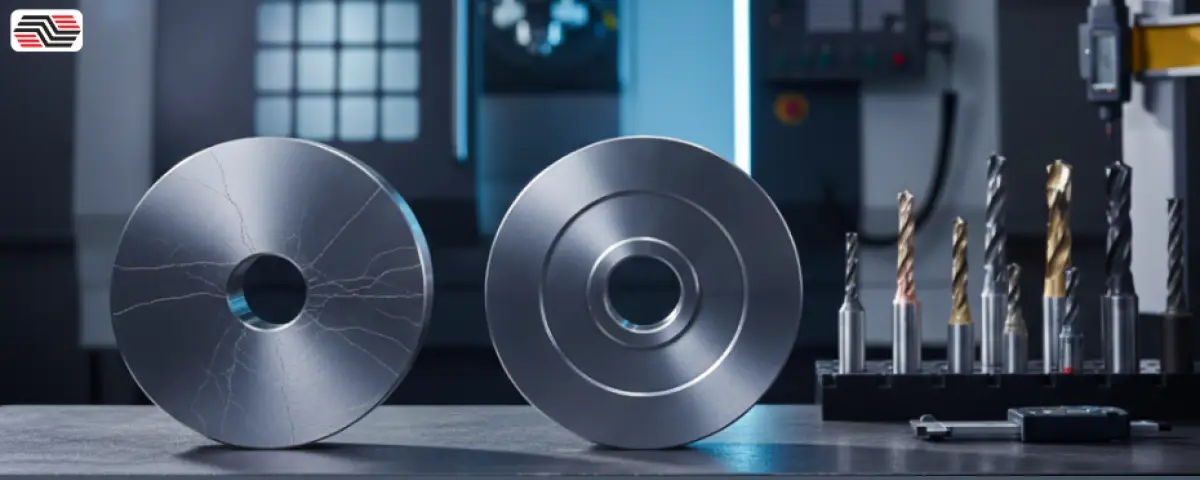
Every manufacturer has seen it happen. A machine that should run flawlessly begins to struggle. An assembly that was supposed to last years fails far too soon. A finished product comes back for rework, burning time, money, and trust.
These problems often look like system-level failures. But in reality, they almost always start much smaller with a single machined part.
In most cases, nothing is wrong with the whole machine at first. Something went wrong with one component long before final assembly ever happened. And once that part is compromised, the entire system becomes vulnerable.
Understanding why machined parts fail is the first step toward building equipment that works reliably in the real world -not just on paper.
One Weak Part Can Bring Down an Entire Assembly
Assemblies don’t fail randomly. They fail because one part stops doing its job.
Every machined component has a role. Some carry load. Some hold things in position. Some guide movement. Others protect surfaces from wear. When just one of these pieces is out of tolerance, too weak, or inconsistent, the entire assembly starts to drift toward failure.
That’s why the quality of each individual machined part matters so much. A strong, accurate, and stable component becomes the backbone of a dependable machine.
Why the Right Supplier Matters More Than You Think
Changing suppliers isn’t risky. Choosing the wrong one is.
In industries like aerospace and automotive, parts must be the same every time -not just once, but on every batch. A supplier who cannot hold tight tolerances consistently will eventually create problems, even if the original design is perfect.
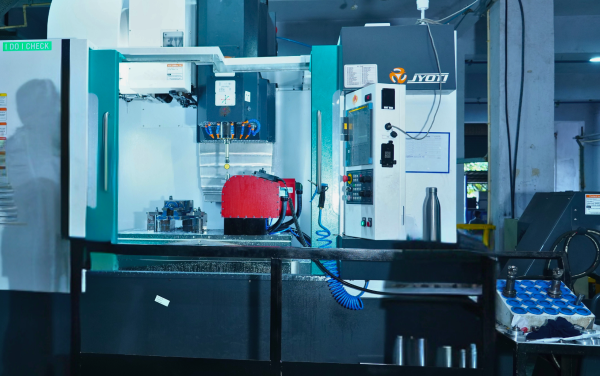
At ATS, this is controlled through structured CNC machining processes, documented work instructions, and AS9100D-aligned quality systems. These controls make sure every part is repeatable, traceable, and stable across production runs.
Reliable machined parts come from controlled processes -not from hoping the final inspection catches everything.
The Right Material Is Just as Important as the Right Design
Many failures begin before machining even starts.
Material selection is an engineering decision, not just a purchasing choice. The material must survive real operating conditions -load, vibration, heat, fatigue, and environmental exposure. When these are underestimated, a part may pass inspection but still fail in the field.
That’s why we review material choices against how the part will actually be used before any machining begins. A part must not only be machinable -it must be strong enough for real-world service.
Design Must Match How Parts Are Machined
A part can look perfect in CAD and still be risky to manufacture.
Sharp internal corners, thin walls, and extremely tight tolerances create stress points and dimensional instability. These features make machining harder and reduce the life of the part.
When design intent, machining capability, and operating conditions are aligned, parts perform as expected —and keep performing over time.
Real Quality Is Built, Not Inspected at the End
Final inspection alone does not prevent failures.
True quality comes from controlling every stage of production —from first-article inspection toin-process checks and final verification with calibrated measuring equipment.
At ATS, this layered approach catches issues early, reduces rework, and supports zero-rejection and on-time delivery. Problems are fixed before they ever reach the customer.
Conclusion
Machined part failures are not accidents. They are the result of decisions made earlyin design, material selection, machining strategy, and supplier capability.
When machined parts are designed correctly, produced under controlled processes, and checked throughout manufacturing, assemblies work the way they should. Reliability is not added at the end. It is built into every part from the very beginning.