Design engineering is more than just drawing parts—it’s about transforming ideas into real-world solutions that are efficient, safe, and sustainable. At ATS (Automated Tooling Systems), we see it as the foundation of innovation. For students and aspiring engineers, this field uniquely blends creativity, cutting-edge technology, and exciting career growth opportunities.
What is Design Engineering?
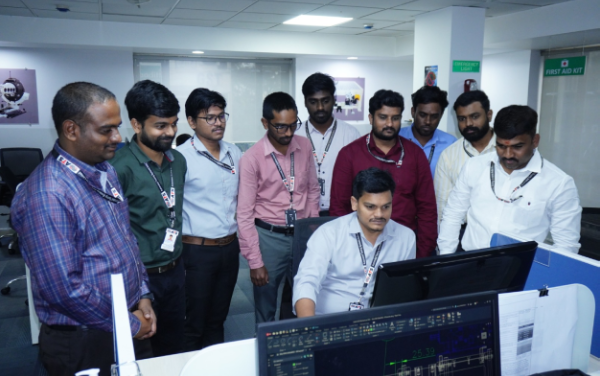
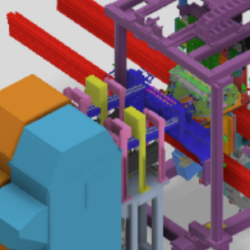
At ATS, design engineering is the process of developing solutions that drive manufacturing and automation forward. Our engineers use CAD tools, simulations, and problem-solving to create precise and practical designs for tooling systems and industrial equipment. Design engineering requires technical expertise, creativity, and adaptability. Engineers work closely with multidisciplinary teams to ensure that every design meets performance, safety, and cost requirements.
Why Design Engineering Matters
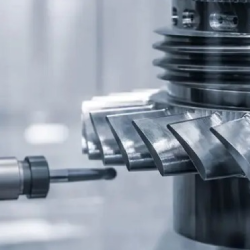
Design engineering is critical across industries—automotive, aerospace, renewable energy, healthcare, and more. ATS engineers design automated tooling systems that improve productivity, reduce waste, and enable smarter manufacturing processes. Sustainability is a top priority. Our teams focus on energy-efficient, durable, and eco-friendly solutions, helping industries move toward greener practices.
Career Growth Opportunities
A career in design engineering at ATS offers strong growth potential:
-
Competitive Salaries: High-demand sectors like aerospace, automotive, and renewable energy offer rewarding pay.
-
Global Opportunities: Engineers can work on projects worldwide, gaining international exposure.
-
Career Progression: From hands-on design roles to leadership, research, and innovation, paths are clear and flexible.
Challenges Engineers Should Know
Design engineering evolves rapidly. CAD software, automation, and now AI require engineers to continuously update their skills. We support learning through certifications, workshops, and on-the-job training. The field is competitive. Engineers who gain practical experience, work on diverse projects, and master advanced tools have a strong advantage in the job market.
AI and Design Engineering
AI enhances our design engineering capabilities. It assists with CAD modeling, simulations, and optimization—making designs faster and more accurate. But human judgment remains essential. Our engineers decide what works best in real-world applications, balancing efficiency, safety, and usability.
While some fear AI might reduce the scope of traditional design roles, the reality is the opposite. Engineers who leverage AI effectively gain a competitive advantage, tackling more complex, high-value projects that require creativity and problem-solving. In fact, AI shifts the role of design engineers, expanding their scope rather than diminishing it.
Is Design Engineering Right for You?
If you enjoy problem-solving, teamwork, and seeing your ideas come to life, design engineering at ATS could be an ideal career path. The field rewards curiosity, creativity, and adaptability. With industries focused on automation, sustainability, and innovation, the demand for skilled design engineers continues to grow. We provide the tools, mentorship, and environment engineers need to thrive in this exciting field.
Conclusion
Design engineering is more than just an engineering job—it’s a career that combines innovation, technology, and global opportunity. AI and automation are tools that enhance capabilities, not replace human creativity. At ATS, design engineering is at the heart of everything we do, developing automated tooling systems, supporting sustainable manufacturing, and driving industrial innovation. For the next generation of engineers, this is not only a viable career but one of the smartest choices for long-term growth and impact.